

Somewhere right now, someone is staring at a wallet full of USDC that hasn’t moved in three months. It’s not losing value the way a volatile coin would. But it’s not doing anything either. Meanwhile the same dollar, parked in the right lending market, could be pulling in anywhere from 3% to 9% a year with barely any extra effort. That gap between idle and earning is basically free money sitting on the table. This guide breaks down exactly where stablecoin lending rates stand right now, protocol by protocol, so you stop guessing.
Why stablecoin lending rates are behaving differently in 2026
Rates on Aave or Compound aren’t set by a committee. They float automatically based on how much of a pool is borrowed versus supplied. In 2026 that floor keeps drifting with the Fed funds rate, which sat around 3.63% in mid September. When traditional cash yields cool off, DeFi lending starts looking more attractive by comparison, and borrowing demand from leveraged traders and basis trade strategies pushes utilization higher. Higher utilization means higher supply APY for you. It’s a mechanical relationship, not a marketing number, and that’s exactly why it’s worth tracking closely.
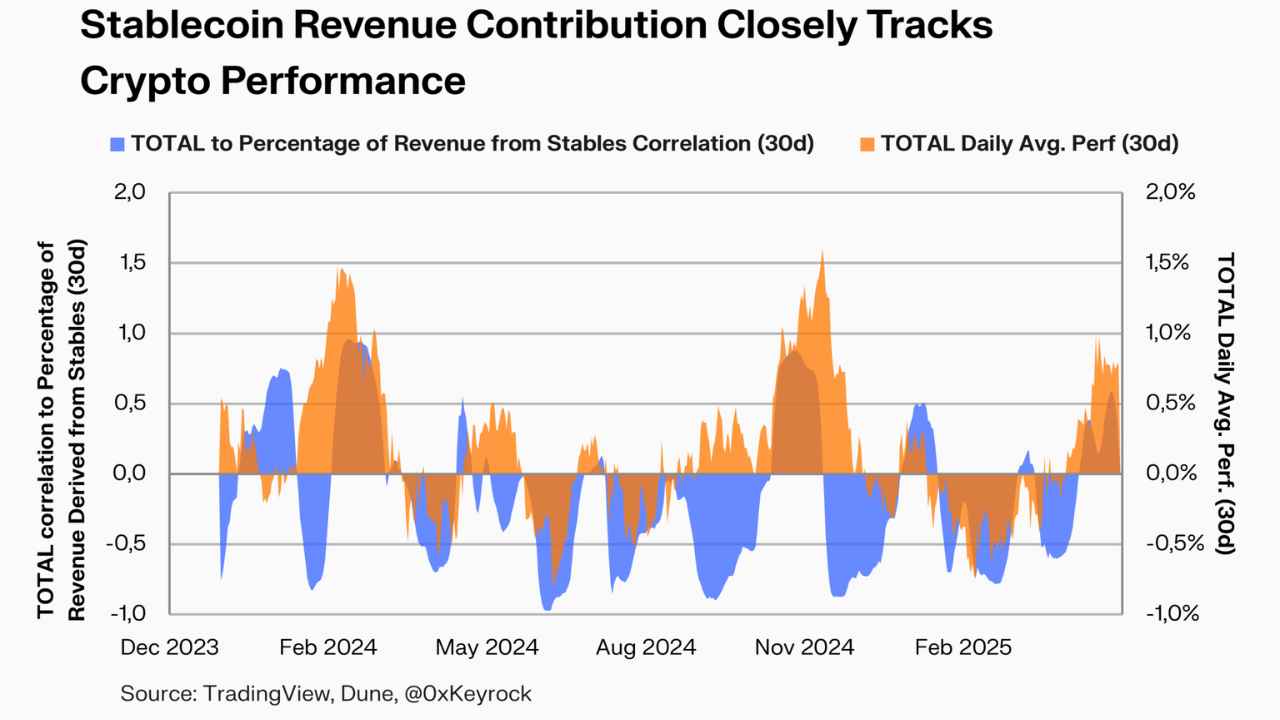
Here’s the part most beginners miss. A protocol quoting “up to 9% APY” usually means that number applies to one specific vault, one specific chain, or one specific moment of high borrowing demand. The base rate most people actually earn on a plain USDC deposit is quieter, usually somewhere between 3% and 6%. Anything meaningfully above that carries either a smaller, thinner pool, a newer and less battle tested codebase, or a curator taking on riskier collateral behind the scenes. None of that makes the higher number fake. It just means the yield and the risk are never separate conversations.
Best DeFi lending rates for stablecoins right now
| Platform | USDC Supply APY | USDT Supply APY | DAI/USDS APY | Ethereum TVL | Risk Note |
|---|---|---|---|---|---|
| Aave V3 | 3.3% to 6% | 2.7% to 4.4% | 3% to 5% | ~$12.5B | Deepest liquidity, governance audited parameters |
| Morpho Blue | 4% to 9% (vault dependent) | 3% to 5% | 4% to 6% | ~$3.7B | Curator risk varies widely by vault |
| Compound V3 | 3.3% to 6% | 3% to 5% | N/A on V3 | ~$1.06B | Single borrow asset per market, thinner liquidity |
| Spark | Savings USDC ~3.5% | N/A | USDS ~2.7% to 3.6% | ~$4.59B | Rate reset sits at Sky DAO discretion |
| Fluid | ~4.97% | ~4.15% | N/A | ~$0.61B | Younger codebase, smaller cushion outside Ethereum |
| Maple (syrupUSDC) | ~4.8% to 5% | ~4.8% to 5% | N/A | ~$3.23B AUM | Institutional credit exposure, not pure overcollateralized lending |
| Sky PSM / sUSDS | N/A | N/A | 3.6% | Protocol native | No lending counterparty, DAO controlled rate |
These figures move by the week, sometimes by the day, so treat this table as the current neighborhood rather than a locked in quote. Always check the live dashboard before you deposit anything.
Aave V3: the default choice, and there’s a reason for that
Aave is still the biggest stablecoin lending market in DeFi, and it earned that spot the boring way. Rates on USDC and USDT typically sit in the 3% to 6% range on Ethereum mainnet, with occasional spikes past 8% when borrowing demand from leveraged traders surges. What makes Aave the default isn’t the headline APY. It’s the depth. With over twelve billion dollars in stablecoin liquidity on Ethereum alone, you can deposit or withdraw large amounts without moving the rate against yourself. For anyone who wants boring, predictable, audited yield without babysitting a dashboard, this is still the first stop.
Morpho Blue: higher ceiling, but read the vault label first
Morpho flips the standard pooled lending model. Instead of one big shared pool, it runs isolated markets and curated vaults, and that structure is exactly why top USDC vaults can quote 6% to 9% while Aave sits closer to 4%. The catch is that “Morpho” isn’t one yield, it’s dozens of vaults each run by a different curator with a different risk appetite. Some curators stick to blue chip collateral. Others reach for smaller assets to juice the number. Before depositing, actually open the vault page and check who curates it and what collateral backs the loans you’re funding.
Compound V3, Spark and Fluid: the specialists
Compound V3 plays it conservative, usually landing in the same 3% to 6% band as Aave but with noticeably thinner liquidity and a single borrow asset design per market, which limits how flexible it can be during volatile weeks. Spark, built on Aave’s own codebase under the Sky Protocol umbrella, pairs a Savings USDC product with the Sky Savings Rate on USDS, though that rate can reset at the DAO’s discretion with little warning. Fluid is the newer name on this list, and its Smart Collateral design has pushed USDC yields close to 5%, but a younger codebase and thinner liquidity outside Ethereum mean it deserves a smaller allocation until it’s been tested through a real market stress event.
USDC vs USDT vs DAI: which stablecoin actually pays more
This part surprises a lot of people. USDT frequently earns a slightly higher rate than USDC on the same protocol, and it’s not because Tether is inherently a better asset to lend. It comes down to pool mechanics:
- USDT’s supply pool on most protocols is smaller relative to demand, so utilization runs hotter
- Hotter utilization mechanically pushes the algorithmic interest rate curve higher
- USDC often has deeper supply because institutions and treasuries default to it, which caps its rate
- DAI and USDS carry a separate native yield path through the Sky Savings Rate, currently around 3.6%, that doesn’t depend on a lending counterparty at all
None of this means you should chase USDT purely for the extra basis points. Factor in which stablecoin you’re comfortable holding long term before the yield becomes the deciding factor.
DeFi vs CeFi: why the 12% headline number should make you pause
Centralized platforms like Nexo, Ledn, Bybit and Crypto.com still advertise stablecoin rates well above what onchain lending pays, sometimes in the 8% to 14% range. Bybit’s flexible USDT and USDC products currently land closer to 3.5% to 3.8%, which is honestly in line with DeFi. But the outlier double digit offers you’ll see elsewhere aren’t free money. They come with a custody risk premium. Your stablecoins leave your wallet and become a claim on that company’s balance sheet, and 2022’s collapse of several centralized lenders is the permanent reminder of what that risk actually looks like when it goes wrong.
Chain selection quietly changes your real yield
The same USDC can earn meaningfully different rates depending on which chain it sits on, and this is one of the most overlooked levers in the entire stablecoin yield conversation. USDC deposit rates on Base or Arbitrum commonly run 50 to 150 basis points below the same market on Ethereum mainnet, simply because the borrower base on those chains is smaller. That gap sounds small until you’re moving a five figure balance, at which point it’s real money left on the table every single month for no reason other than not checking.
A practical checklist before you chase any rate
Before moving stablecoins into a new protocol or vault, run through this quickly:
- Check total value locked. Thin pools move rates fast and can trap you at withdrawal
- Confirm the protocol has been audited and has a track record through at least one market stress event
- For Morpho or any vault based product, look up the actual curator, not just the headline number
- Compare the same stablecoin across two or three chains before assuming your current chain pays best
- Treat any CeFi rate above 8% as carrying a custody risk premium, not a free lunch
- Diversify across two protocols rather than parking everything in one, even the biggest one
The bottom line
There isn’t a single “best” platform that wins across every stablecoin and every chain, and anyone telling you otherwise is oversimplifying. Aave remains the steady, deep liquidity default. Morpho rewards people willing to actually read the vault details. Sky’s savings rate gives DAI holders a lending counterparty free option. What matters most isn’t finding the single highest number on a given Tuesday. It’s picking a rate you understand well enough to explain to someone else, on a protocol that’s been tested, and treating anything unusually generous as a question rather than an answer.
Stablecoin lending has quietly grown into one of the more boring corners of crypto, and that’s actually the point. The wild double digit farm APYs of 2021 mostly died along with the tokens subsidizing them. What’s left in 2026 is closer to a real yield market, priced off real borrowing demand and the Fed funds rate rather than inflationary token emissions. That’s a healthier place to park dollars, even if the numbers on the screen look less exciting than they used to.
FAQ
What is the best DeFi lending rate for stablecoins right now? As of September 2026, Aave and Compound pay roughly 3% to 6% on USDC and USDT, while top Morpho Blue vaults and Fluid push closer to 5% to 9% depending on the vault and utilization at the time.
Is USDT or USDC better for DeFi lending yield? USDT often pays slightly more than USDC on the same protocol because its supply pool tends to run hotter utilization. The difference is usually one to two percentage points, not enough to override which stablecoin you’d rather hold.
Why do CeFi platforms offer higher stablecoin rates than DeFi? Higher CeFi rates typically reflect a custody risk premium. Your funds sit on the platform’s balance sheet rather than in a smart contract you control, which is a meaningfully different risk profile than onchain lending.
Is DeFi stablecoin lending safe? It carries smart contract risk, liquidation cascade risk from other borrowers in the same pool, and curator risk on vault based platforms. Established protocols like Aave and Compound have been audited and stress tested for years, which lowers but never fully removes that risk.
Does the chain I use affect my stablecoin lending rate? Yes. The same stablecoin can earn 50 to 150 basis points less on Base or Arbitrum compared to Ethereum mainnet because of smaller borrower demand on those chains, so it pays to check more than one chain before depositing.




